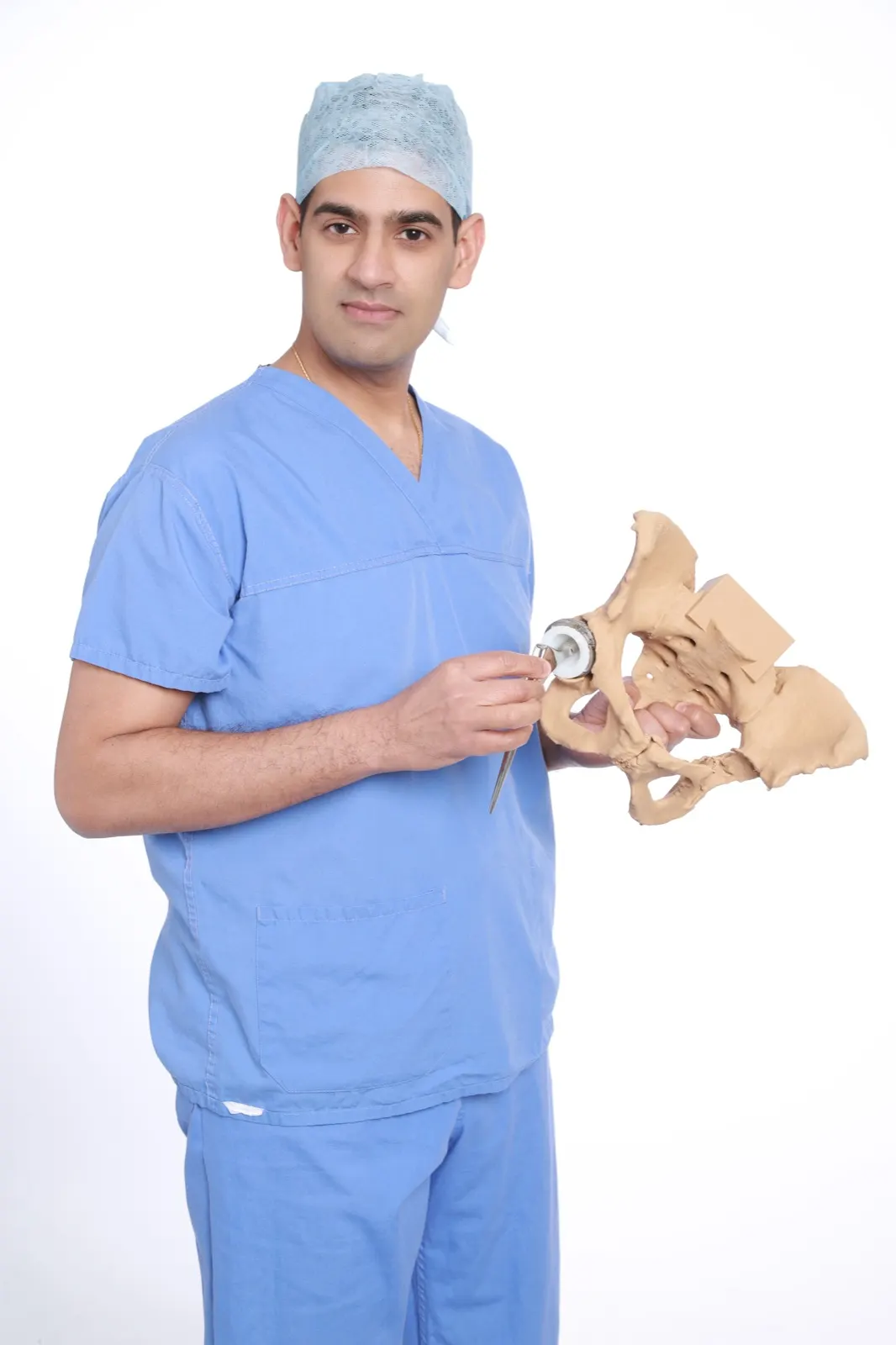
Specialist Treatment
Revision Hip Replacement
Revision hip replacement replaces a hip implant that has loosened, worn, become unstable or infected. It is complex surgery that benefits from a surgeon who performs it regularly, with meticulous planning and full theatre support.
Why a hip replacement fails
Most hip replacements last decades, but a small proportion develop problems: loosening of the components from the bone, wear of the bearing surfaces, recurrent dislocation, fracture around the implant, or infection. New pain, a limp or a feeling of instability in a replaced hip should always be investigated.
Planning the reconstruction
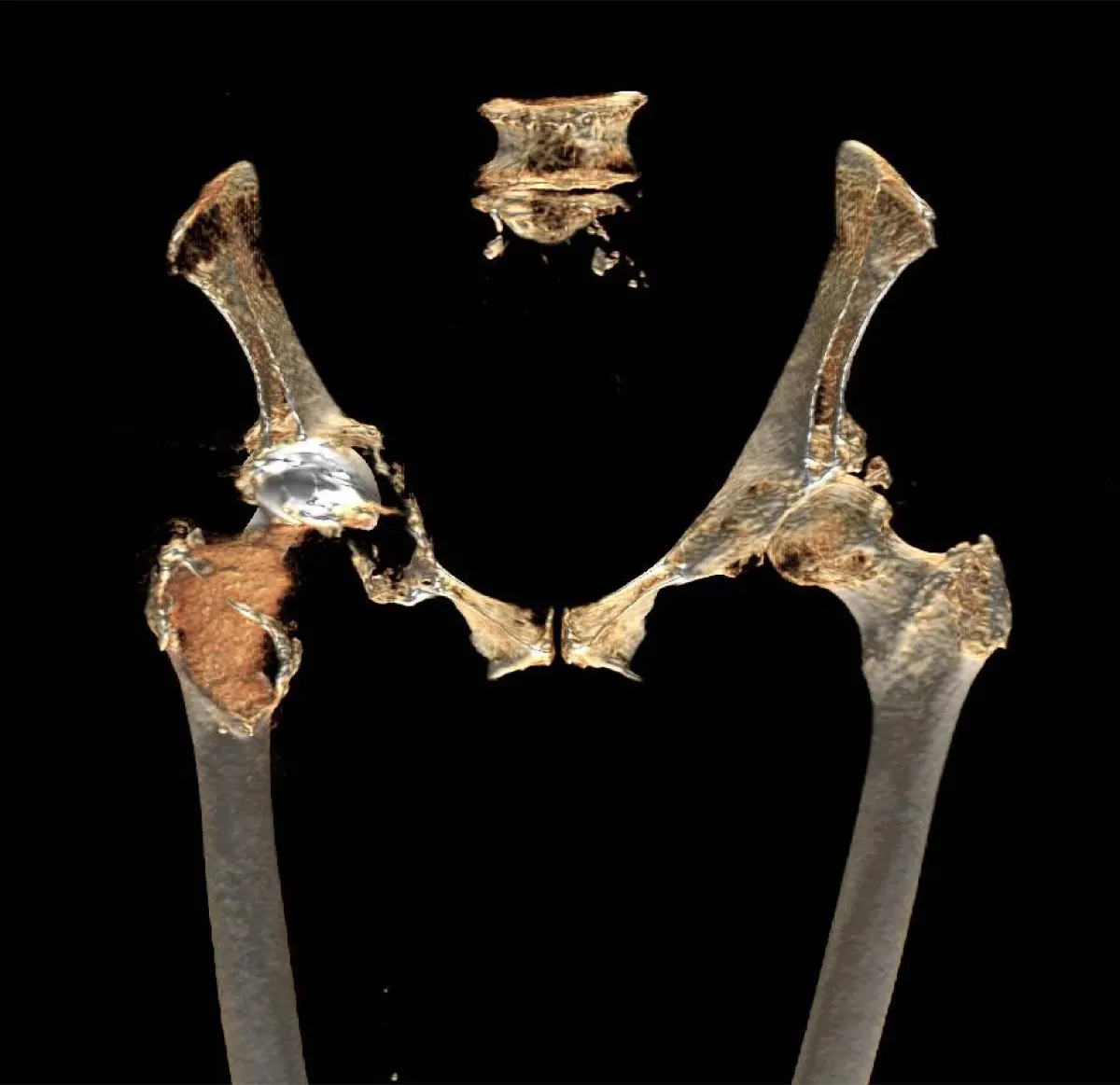
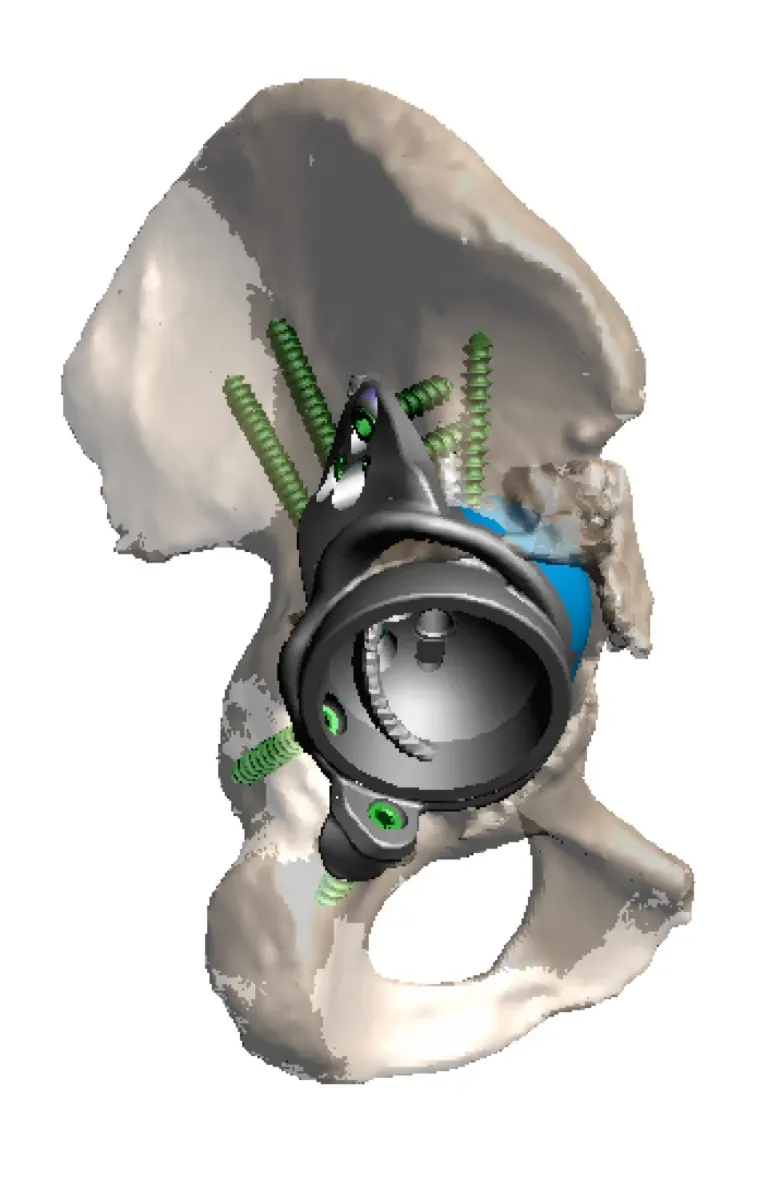
Every revision begins with a structured work-up: serial x-rays, CT where needed, blood markers and joint aspiration to exclude infection. The reconstruction is planned in detail before surgery, with specialist implants, bone graft and augments prepared in advance so the operation is as predictable as possible.
What recovery looks like
Recovery from revision hip surgery is slower than after a first-time replacement and depends on the reason for failure. Some patients need a period of protected weight-bearing. You will be guided by a specialist physiotherapy programme and reviewed personally throughout the first year.
Read more before you decide

Dr Subramanian has been approachable, professional and allowed me to consider what is a major surgery with confidence. All my questions were answered and I felt involved in the decision making. I am now back on my feet with a neat scar. I would recommend him highly to anyone.
Verified Patient
Hip Replacement, Doctify (August 2026)
Patient Testimonials
Back to the life you had before the pain.
Every patient's experience matters. These are the words of people who came in unable to walk comfortably and left able to get back to their families, their work and their sport.
Read More TestimonialsTake the first step today
Living with hip or knee pain does not have to be permanent. Book a consultation and find out exactly what is wrong, what your options are, and what life could look like without the pain.